A new film marking her centenary brings the great writer into the present—thanks in part to the voice and intuition of Sandra Hüller
I was a bit apprehensive about this film, precisely because I value Ingeborg Bachmann’s work. The previous biopic about her had been quite disappointing. Turning the biographies of writers into good cinema is arguably always a challenge, for their art originates in the mind—in thinking, reading, and writing—activities that do not offer much visual material for filmmaking. Perhaps that is also why Margarethe von Trotta, in her 2023 feature film... Ingeborg Bachmann – Reise in die Wüste didn't focus on Bachmann's texts for the plot, but rather her relationship with Max Frisch. The result was a boring relationship drama that even Vicky Krieps in the title role couldn't save. So now, for the writer's 100th birthday, a new attempt with Sandra Hüller, currently the most prominent German cinema face. Will that go well?
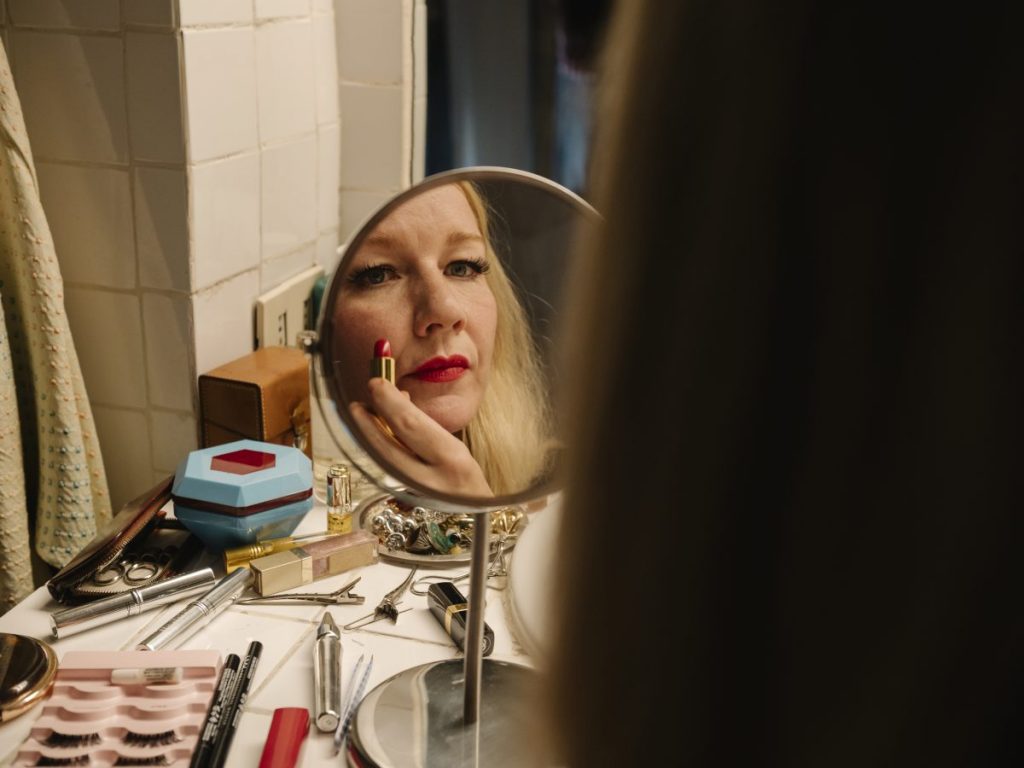
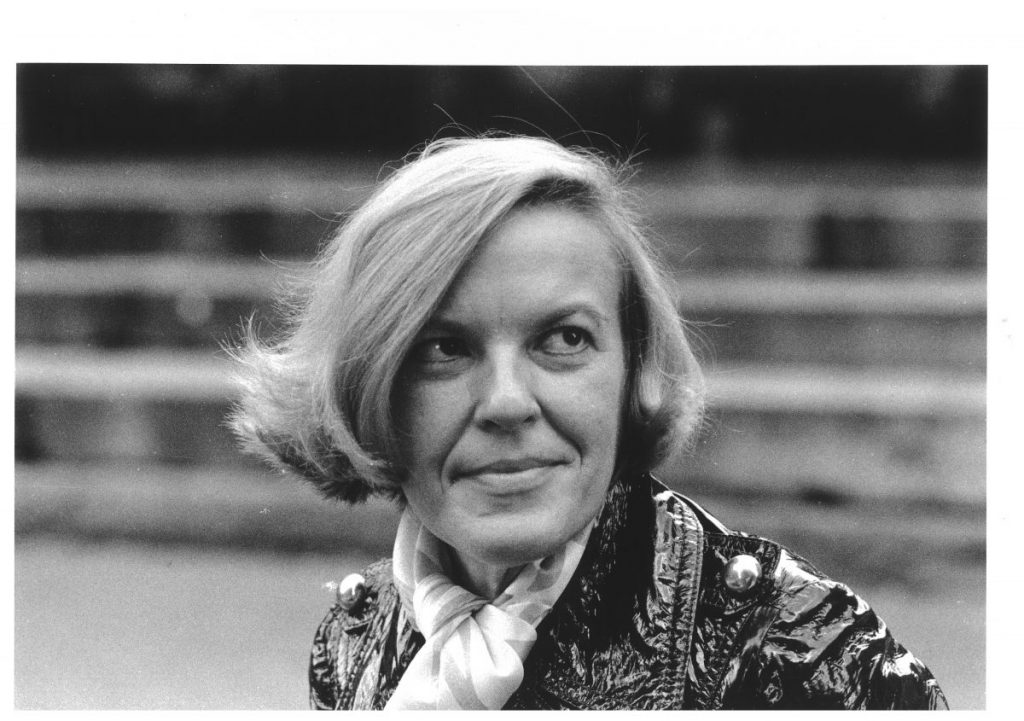
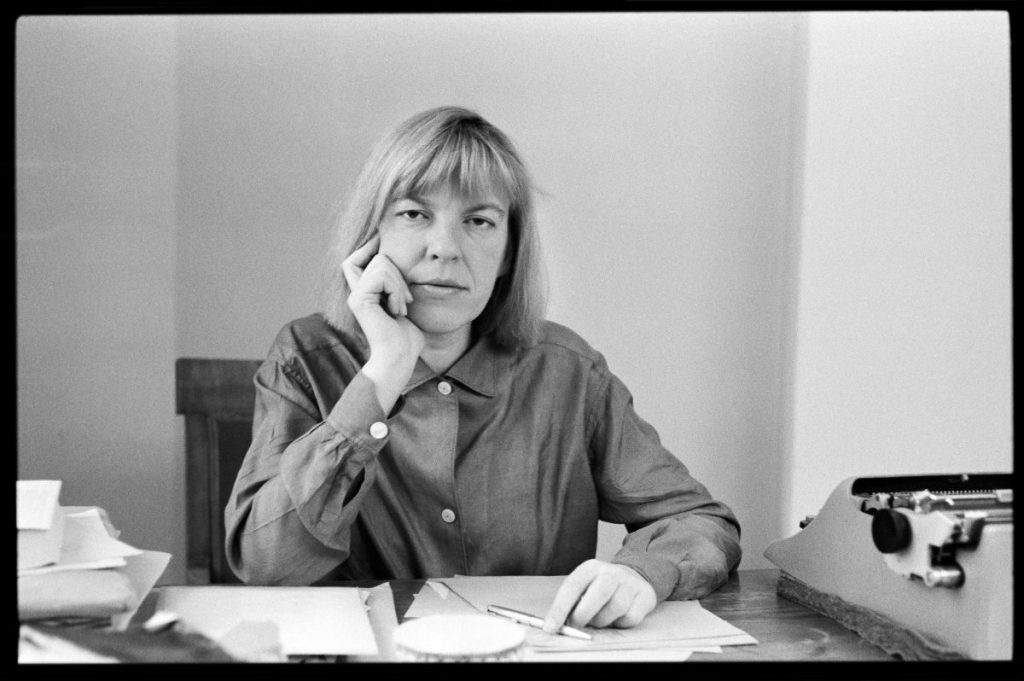
It begins with a cinema-vérité moment: a makeup artist places a blonde, Bachmann-style wig on the actress. Yet, even with it on, Sandra Hüller still looks like Sandra Hüller. Then, director Regina Schilling guides her through a beautiful apartment in Rome—the film’s primary setting. Intercut with this are images of the real Ingeborg Bachmann, sitting on a sofa or at a typewriter in a similar apartment. A short while later, we watch Sandra Hüller lying on the terrace in a pale blue bathrobe—watering the flowers, lost in thought, smoking, drinking, and occasionally reciting a key phrase of Bachmann’s, repeating it several times like a vocal exercise before the camera: “I exist only when I write. I do not exist when I do not write.” Mostly, however, she performs in silence while we hear voice-over passages from Bachmann’s books—particularly from... Malina, her major, semi-autobiographical novel, which was published in 1971. It was to be her last. Bachmann died in Rome in 1973 under tragic circumstances. Her nightgown caught fire while she was in bed at night—presumably caused by a cigarette.
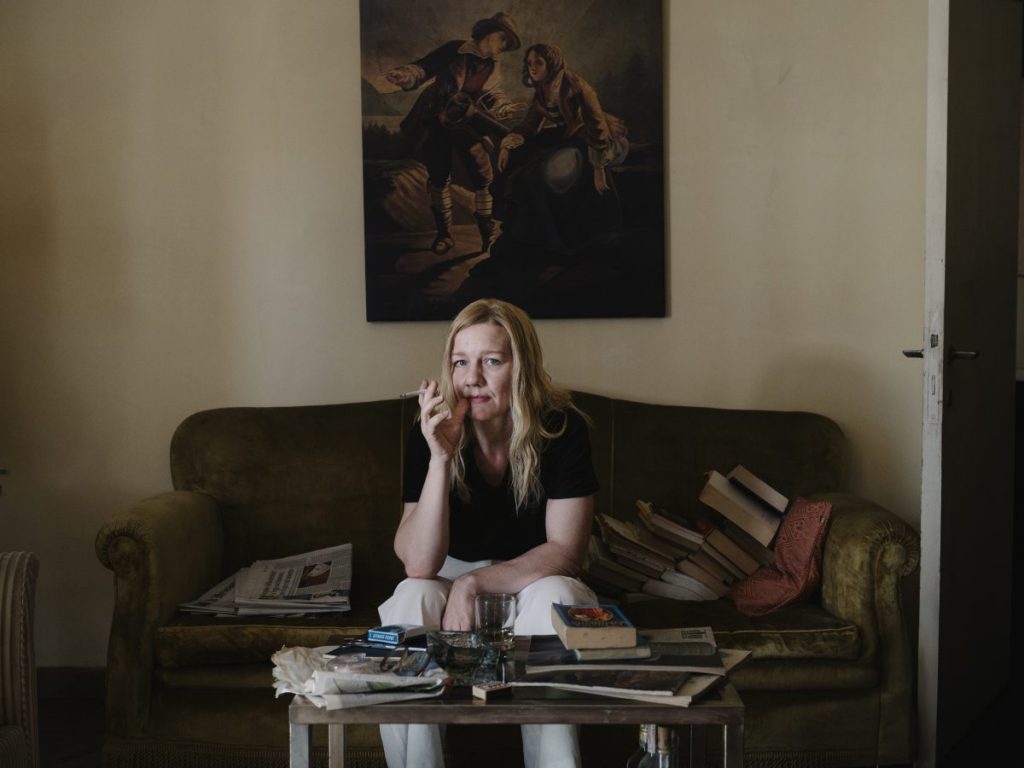
Rome in the early 1970s is the film’s focal point. Ingeborg Bachmann is 45, a celebrated poet who, after years of writer’s block, returns with the publication of her first novel... Malina and is finally back in the public eye. The book—centered on a complex love triangle, gender relations, and the stifling atmosphere of Viennese society—tops the bestseller lists for weeks. The author embarks on reading tours and receives requests for interviews. Yet, at the same time, she remains tormented by anxiety; she is dependent on alcohol and pills. And she is lonely. Regina Schilling approaches these existential emotional upheavals using calm imagery. She eschews dramatic reenactments—no burning bed, no hysterical breakdown—choosing instead to let Bachmann speak through her own words. The director has woven together a multi-layered collage of texts—drawn from short stories, novel fragments, letters, and diary entries—to form the film’s narrative framework.
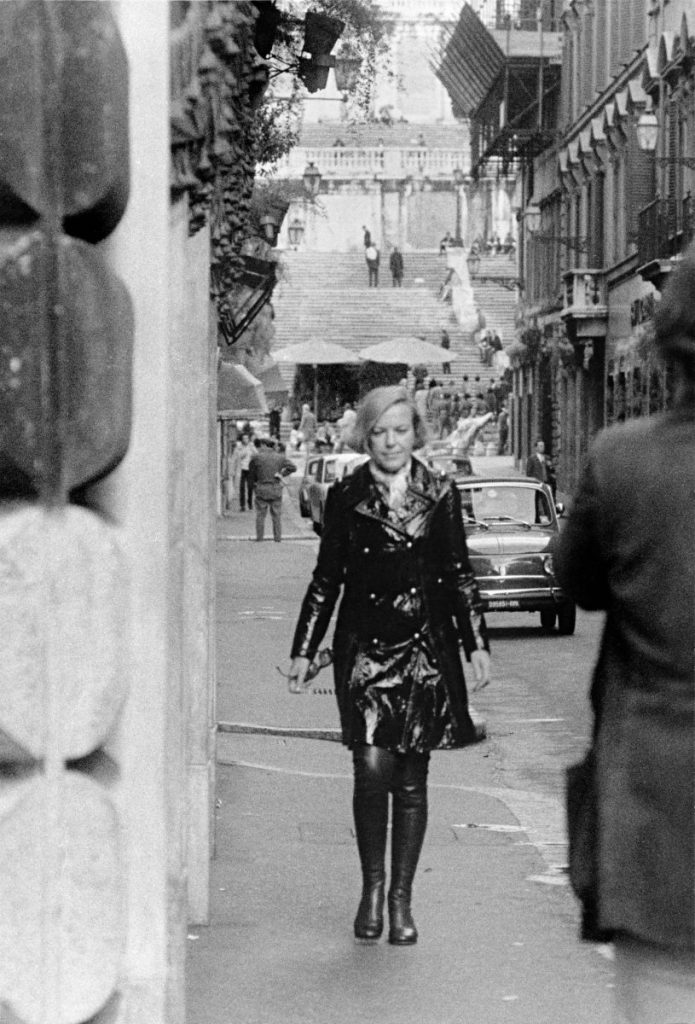
Ingeborg Bachmann in her own visionary words, so to speak. Sandra Hüller had already recorded the texts before filming. In the film scenes, Bachmann's words were played into her ear via headphones, as we learn from the press material, and was thus able to intuitively get into Bachmann's world without the need to recite her words. She never completely merges with the role. The famous Austrian poet and the well-known German actress remain separate characters. Hüller functions more like a medium that makes Bachmann's emotions performatively visible. We mostly see her in everyday activities, driving a car, strolling through Rome, wandering sleeplessly around the apartment. At one point she wanders through the Etruscan necropolis of Cerveteri in the scorching heat and unabashedly lies down in one of the grave hollows - an almost cheerful image for a poet whose work has repeatedly revolved around murder, death and extinction. Another time, Sandra Hüller breaks through Bachmann's melancholy with an exuberant dance on the banks of the Tiber - a magical moment that may never have happened, but wonderfully captures the poet's emotional rollercoaster ride.
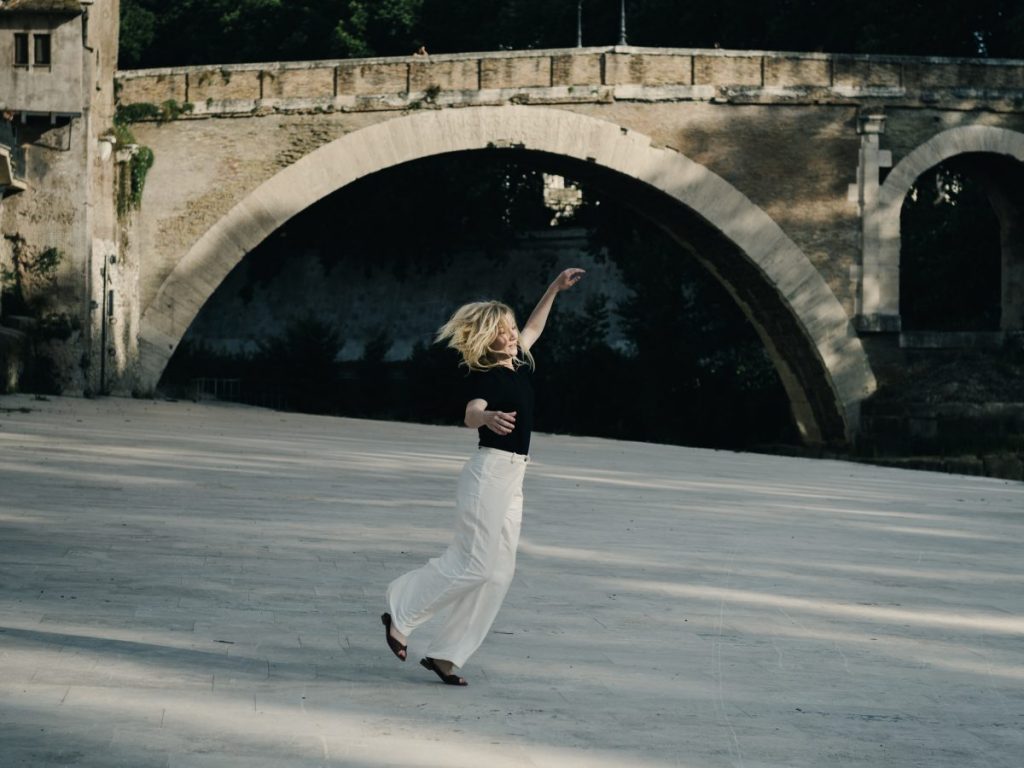
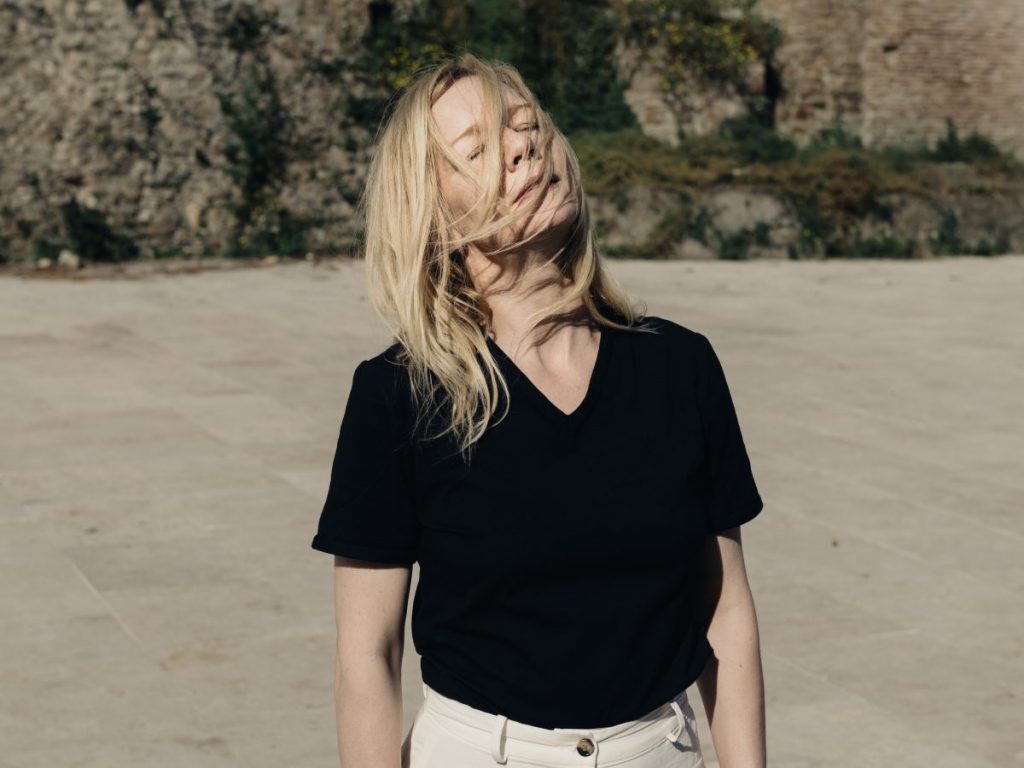
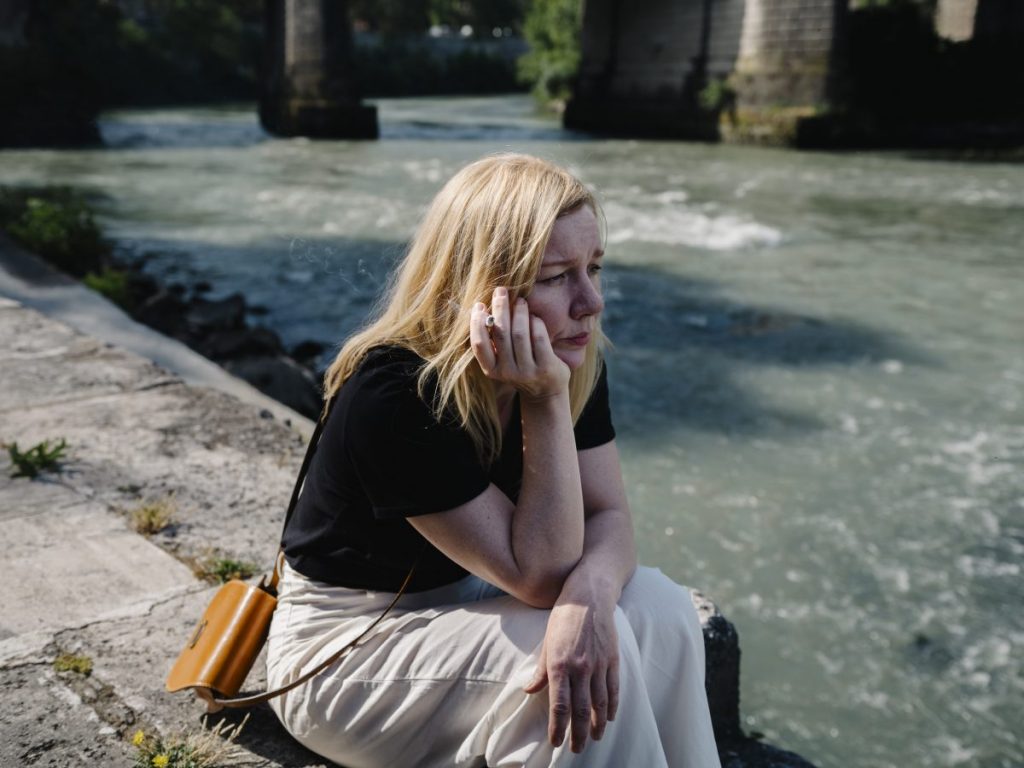
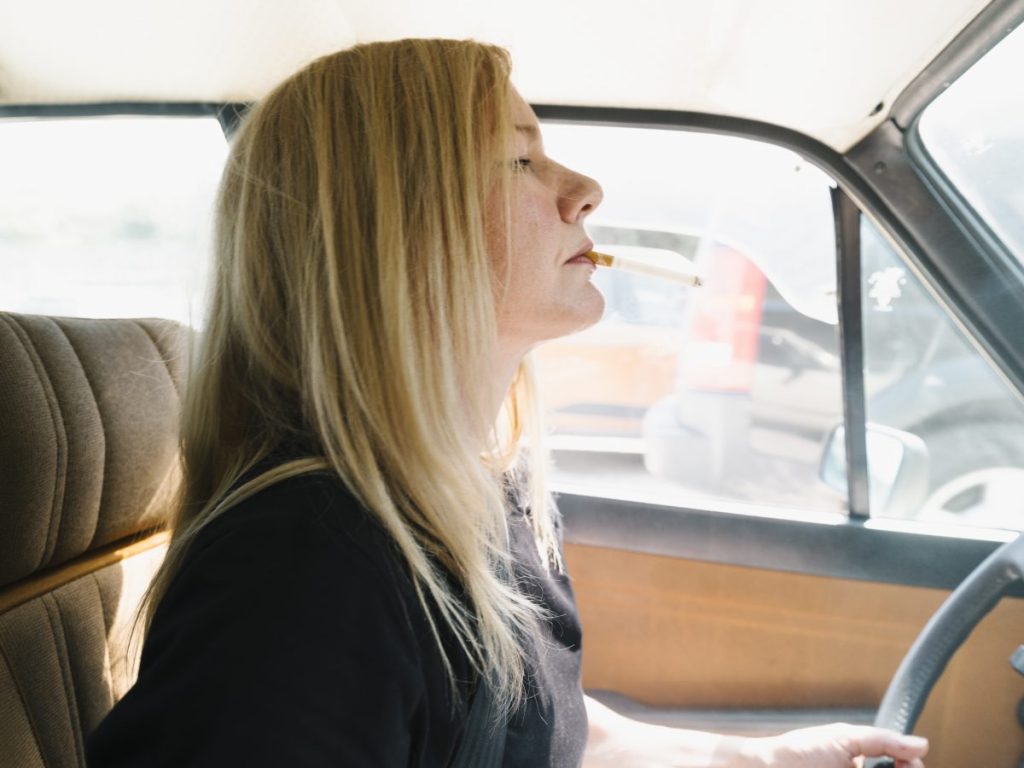
Naturally, we also see Bachmann in original footage, hearing her unmistakable voice—with its soft Carinthian dialect and hesitant speaking rhythm. Schilling unearthed numerous recordings of the poet giving readings and interviews from the archives. It is hardly surprising; in the 1950s and 60s, Bachmann was the "It girl" of the literary scene: a celebrated star of the "Gruppe 47" writers' collective, the subject of a *Der Spiegel* cover story at age 26, a collaborator on opera projects with composer Hans Werner Henze, and the lover of Paul Celan and Max Frisch. The reactions of the old boys' clubs reveal just how unique—and at times burdensome—that success was. Reporters alternately idolized her and branded her a capricious diva, or even had the audacity to ask why she remained unmarried. Her fear of commitment and her struggle with the role of a woman were dismissed as misguided masculine ambition. Particularly shocking are the misogynistic remarks made by literary critic Marcel Reich-Ranicki, who seriously argued at the time that there were so few significant female poets simply because women lacked the requisite talent.
In ihren Texten hat sich Bachmann immer wieder gegen solche Zumutungen gewehrt. Schon 1960 schrieb sie von Sprache als „Mordversuch an der Wirklichkeit“, ein Zitat, das perfekt zu den Genderdiskussionen von heute passt. Sie hat auch über „Mansplaining“ geschrieben, über Femizid, darüber, dass das Patriarchat alle krank macht, Männer wie Frauen. Das ist die eigentliche Überraschung dieses Films: Dass er Ingeborg Bachmann nicht nur als historische Figur in ihrer Zeit verankert, sondern das radikal Zeitgenössische ihres Denkens in den Vordergrund stellt. Gerade weil er nicht auf das akribische Nachspielen biografischer Ereignisse setzt, sondern auf atmosphärische Verdichtung und schauspielerische Improvisation, und dabei das literarische Werk in den Mittelpunkt rückt, verleiht er Bachmanns Stimme neue Dringlichkeit. Und lässt ihren widerspenstigen, selbstkritischen, messerscharfen Geist verführerisch funkeln. Ich wollte nach dem Film jedenfalls sofort Malina again.
(Incidentally, the novel was adapted into a film in 1991 by Werner Schroeter, based on a screenplay by Elfriede Jelinek and starring Isabelle Huppert and Mathieu Carrière. But that is another story.)
*Ingeborg Bachmann – Jemand, der ich einmal war* hits cinemas on June 25, 2026—the very day the writer would have turned 100.