
Ilker Çatak's drama about the devastating consequences of a political witchhunt in Turkey was awarded Best Film at the Berlinale
Ilker Çatak's feature film tells the story of a well-to-do artistic couple in Ankara who, due to their criticism of the government, first lose their jobs and financial security, then their intellectual sphere of influence, and finally their trust in each other. Derya (Özgü Namal) is a celebrated theater actress, her husband Aziz (Tansu Biçer) a university professor and dramaturge at the National Theater. The premiere of his latest play, in which Derya plays the lead role, is met with thunderous applause. Shortly afterward, he receives a summons of dismissal, allegedly because he failed to fulfill his teaching obligations and incited his students to protest.
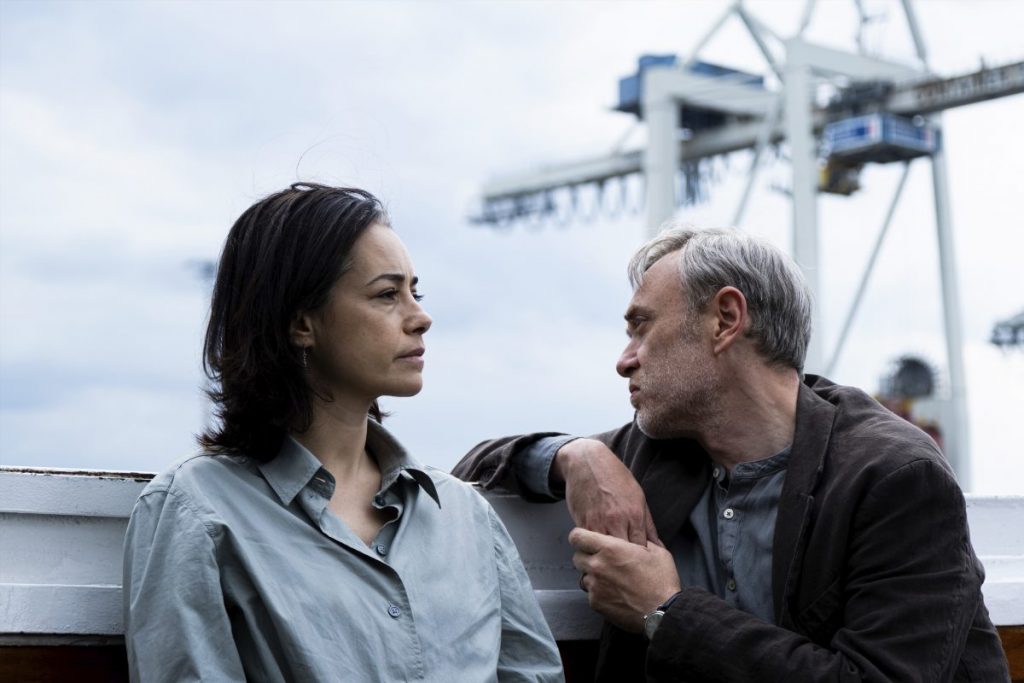
The play is canceled. Derya also receives a yellow termination letter after complaining at the theater and accusing the management of political opportunism. Suddenly, the couple is unemployed. They can no longer afford their beautiful, spacious apartment and move to Aziz's mother's house in Istanbul, where they have to cope with much more cramped conditions. The family dynamic becomes increasingly unstable. The conservative brother-in-law acts patronizingly, and solidarity with the protesting colleagues crumbles. Aziz takes a job as a taxi driver. Money is also becoming tight for her spoiled daughter's private school. Ezgi (Leyla Smyrna Cabas) is 14 and finds all her parents' intellectual posturing annoying. She just laughs at her father's ideal that theater can change the world.

Meanwhile, Aziz is writing a new play about the political witch hunt in the country, which he plans to stage at an Istanbul off-theater – naturally with his wife in the lead role. But she's secretly eyeing a well-paid role in a state television series. On top of the family crisis, Aziz also faces a court case for insulting the president due to his social media posts, a case that could land him in prison for years.
Even though Erdogan's name is never mentioned, the film's plot clearly alludes to the ongoing purge in Turkey since the 2016 coup attempt, with which the government attempts to silence dissenting academics, artists, and journalists through dismissals and professional bans. Or simply imprisons them for anti-state activities. This is a central theme for filmmaker Çatak, who was born and raised in Berlin and whose Oscar-nominated drama Das Lehrerzimmer had its premiere in the Panorama section three years ago, Yellow Letters is the most political project of his career. And the first film he shot entirely in Turkish.
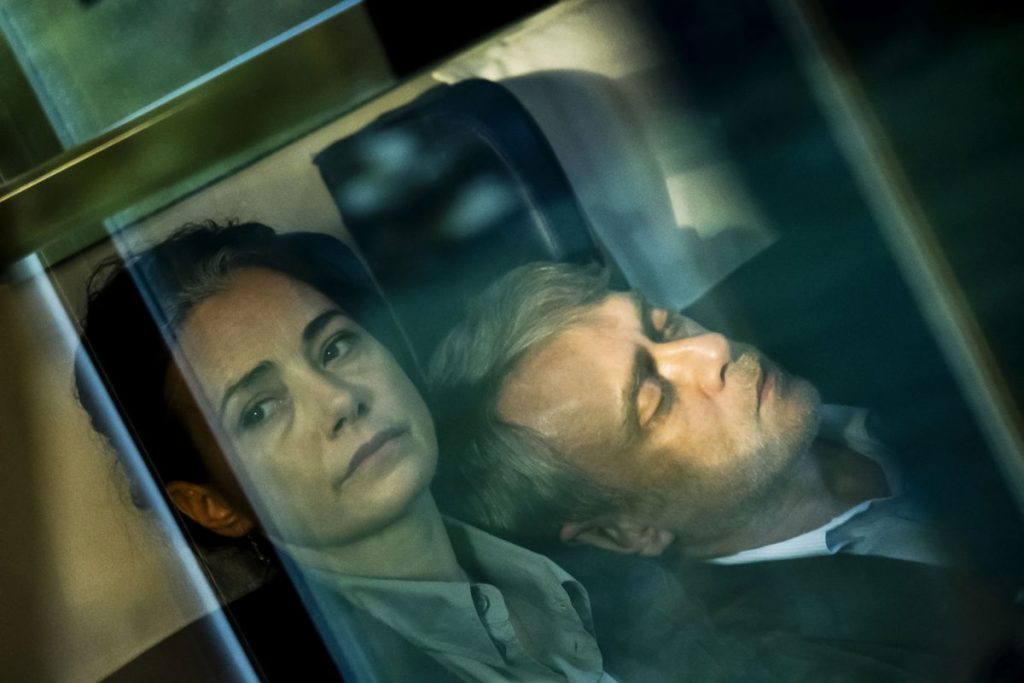
But not in Turkey! Çatak chose only locations in Germany for filming. Berlin became a stand-in for Ankara, Hamburg served as the backdrop for Istanbul. Thus, the TV tower at Alexanderplatz becomes a fictionalized part of the Ankara skyline, the Bosphorus ferry sails through the Port of Hamburg, and Turkish criminal judges sit in the regional court at Sievekingplatz. This works surprisingly well, precisely because the locations weren't forcibly orientalized, but remain recognizable as representative architecture, giving the film a more universal interpretation.
Stylistically Yellow Letters with its dense, verbose dialogue, family focus, and episodic structure, otherwise strongly resembles Turkish television series. Çatak uses the fact that lead actress Özgü Namal is also known as a telenovela star for a unique dramatic twist. In the film's plot, Derya secretly auditions for the lead role in a state television series, even though the same network had previously spread lies about her and her husband. This leads to a devastating family feud and the escape of their underage daughter.
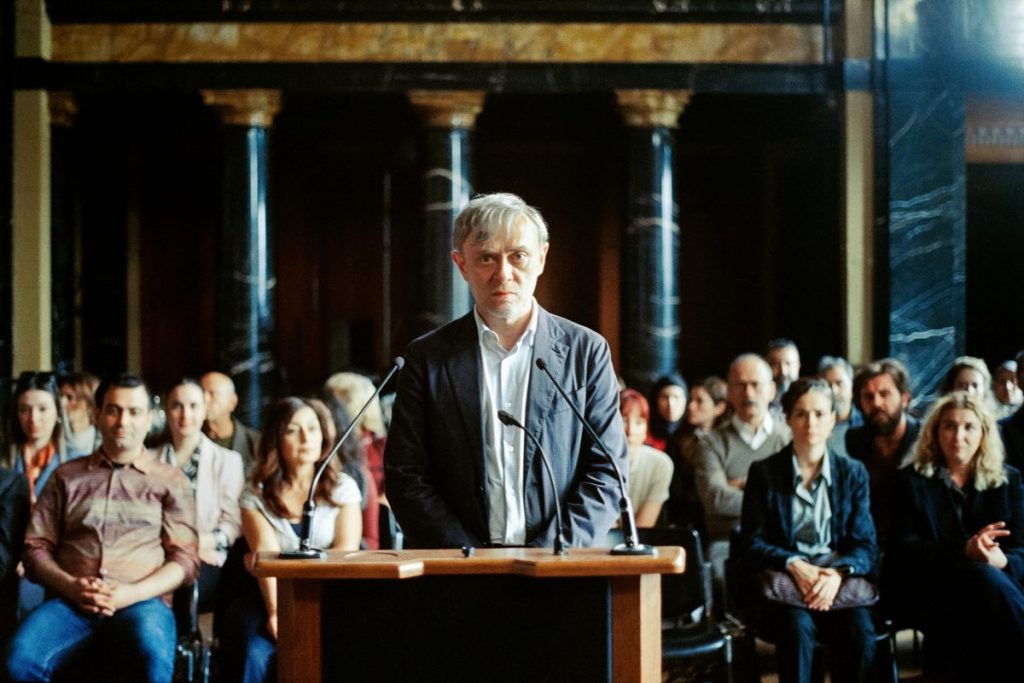
To find her, the panicked parents completely abandon their enlightened principles and obtain their daughter's boyfriend's address through illegal police channels. They then needlessly threaten him in his own home, thereby squandering all their moral capital. The state may have treated this artistic type badly, but when push comes to shove, they don't behave much better. For this plot, Ilker Çatak betrays his protagonists' ideals in the final stretch, ruining his ambitious drama about state arbitrariness, political resistance, and fragile family ties with a half-baked telenovela-style ending.